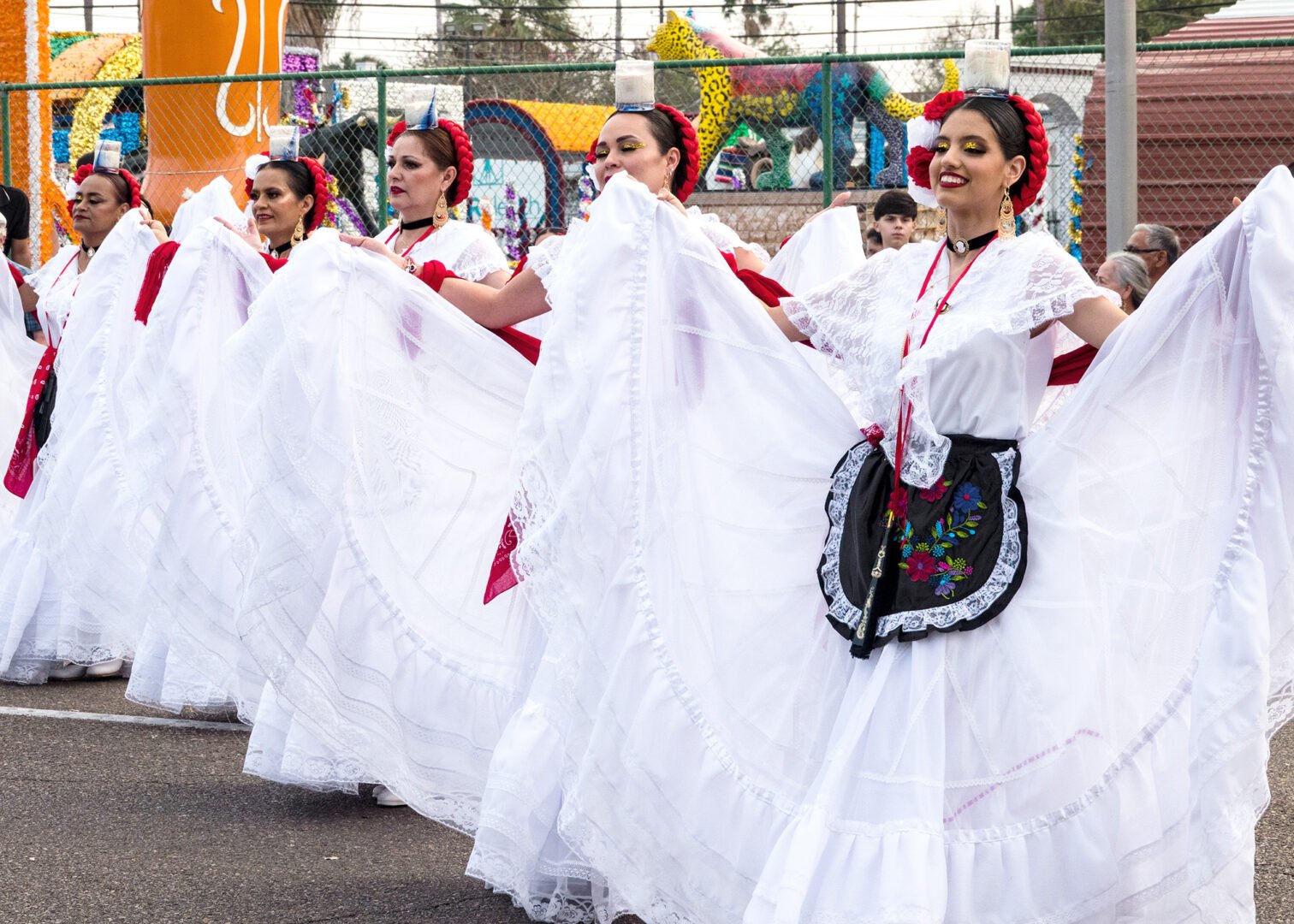
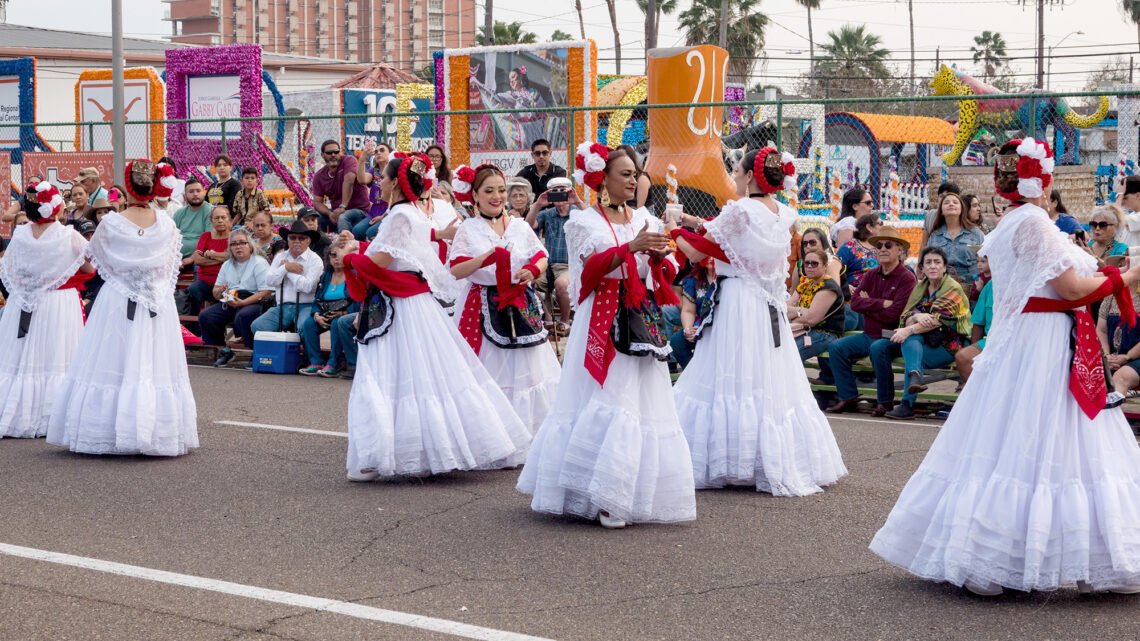
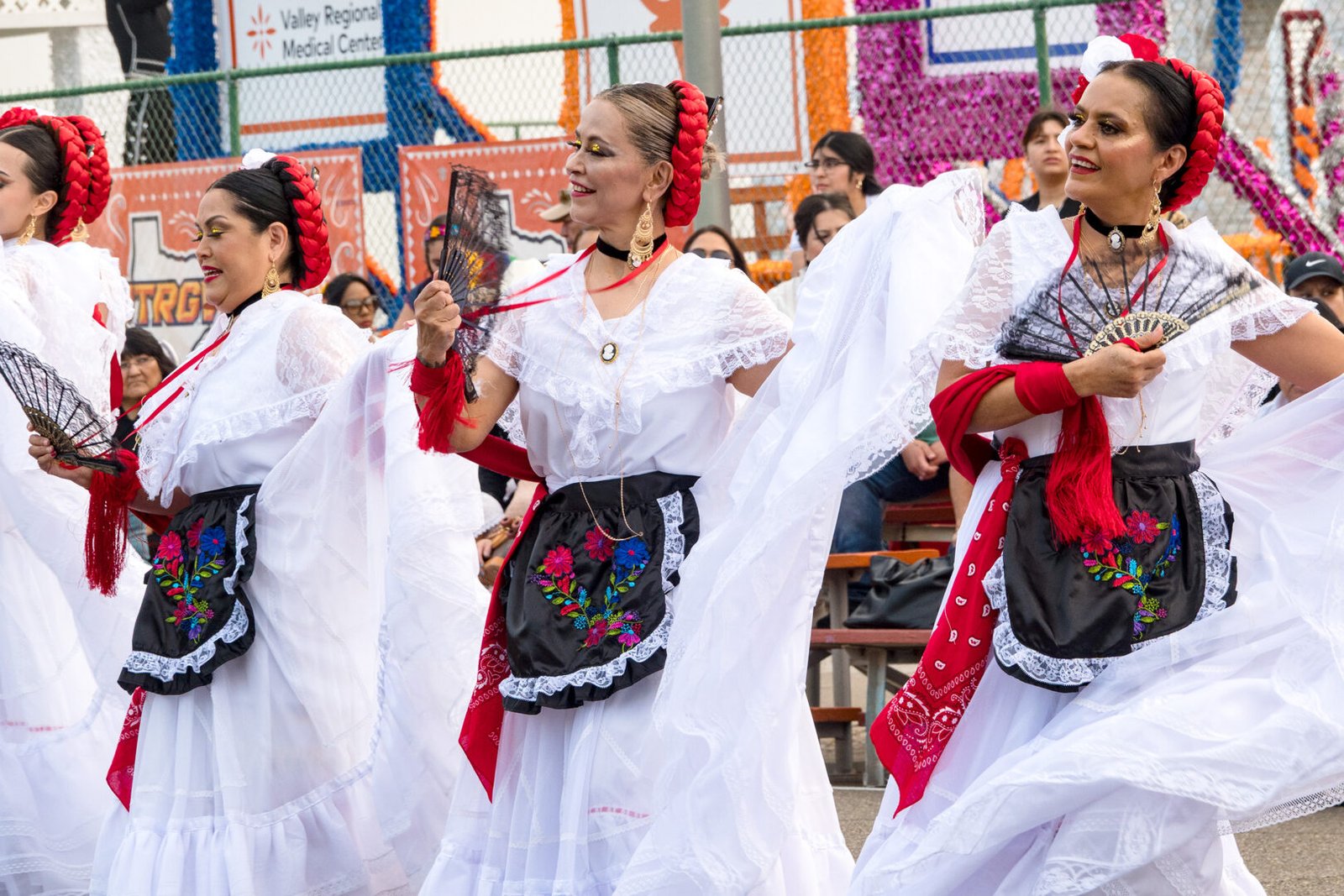
On Saturday, February 21, 2026, the streets in front of Charro Days Fiesta headquarters in downtown Brownsville transformed into a living tapestry of rhythm, color, and community spirit. Beginning at noon, the Baile del Sol launched the 89th Annual Charro Days Fiesta with free, family-friendly festivities that drew hundreds of locals and visitors. Dancers in swirling skirts and embroidered charro attire performed traditional Mexican folklorico routines while mariachi trumpets and Tejano beats filled the air. Food vendors offered sizzling tacos, children competed in costume contests, and the unmistakable grito echoed from the bandstand. For those who attended, the event was a vibrant reminder of why Charro Days remains one of South Texas’s most cherished cultural celebrations.
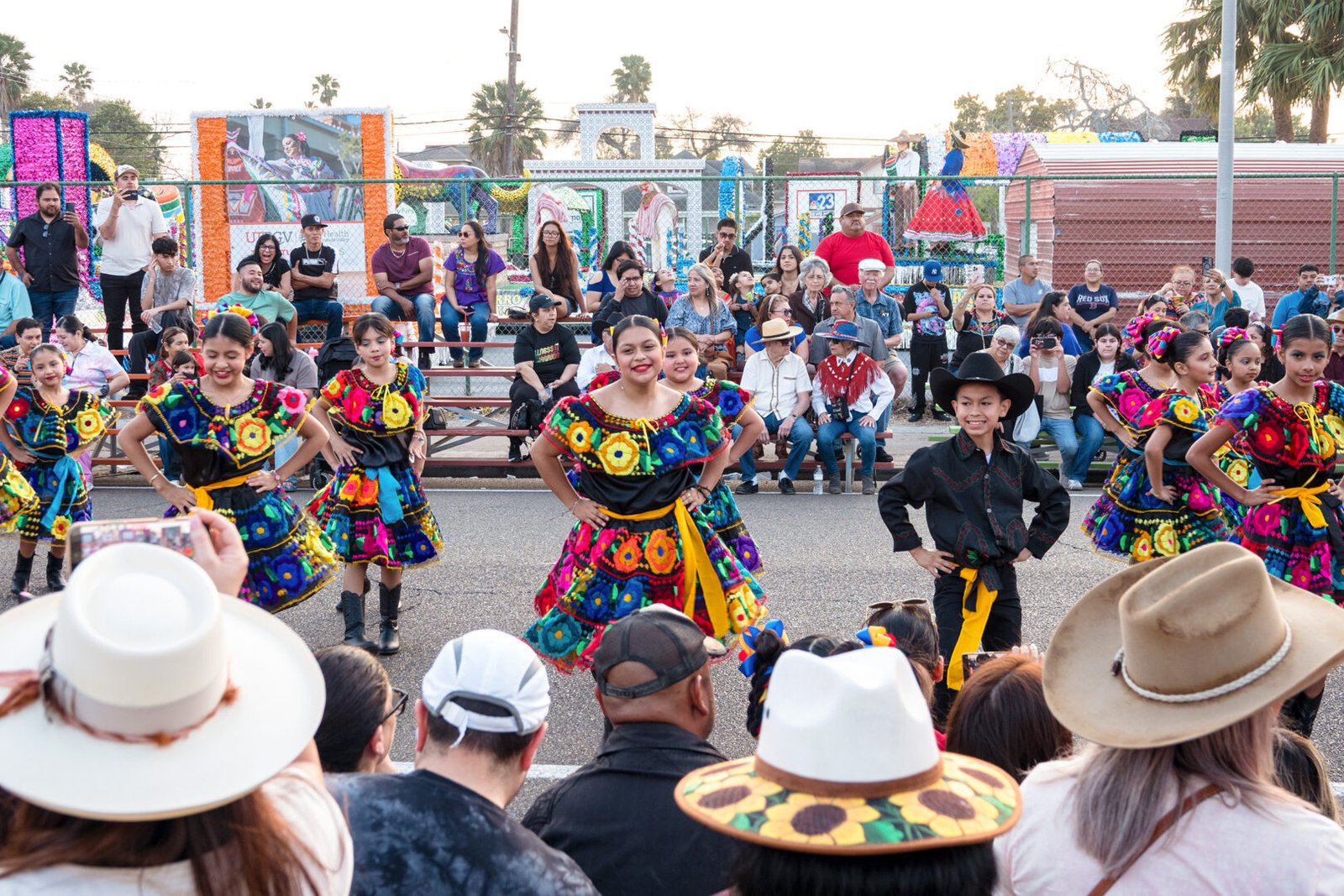
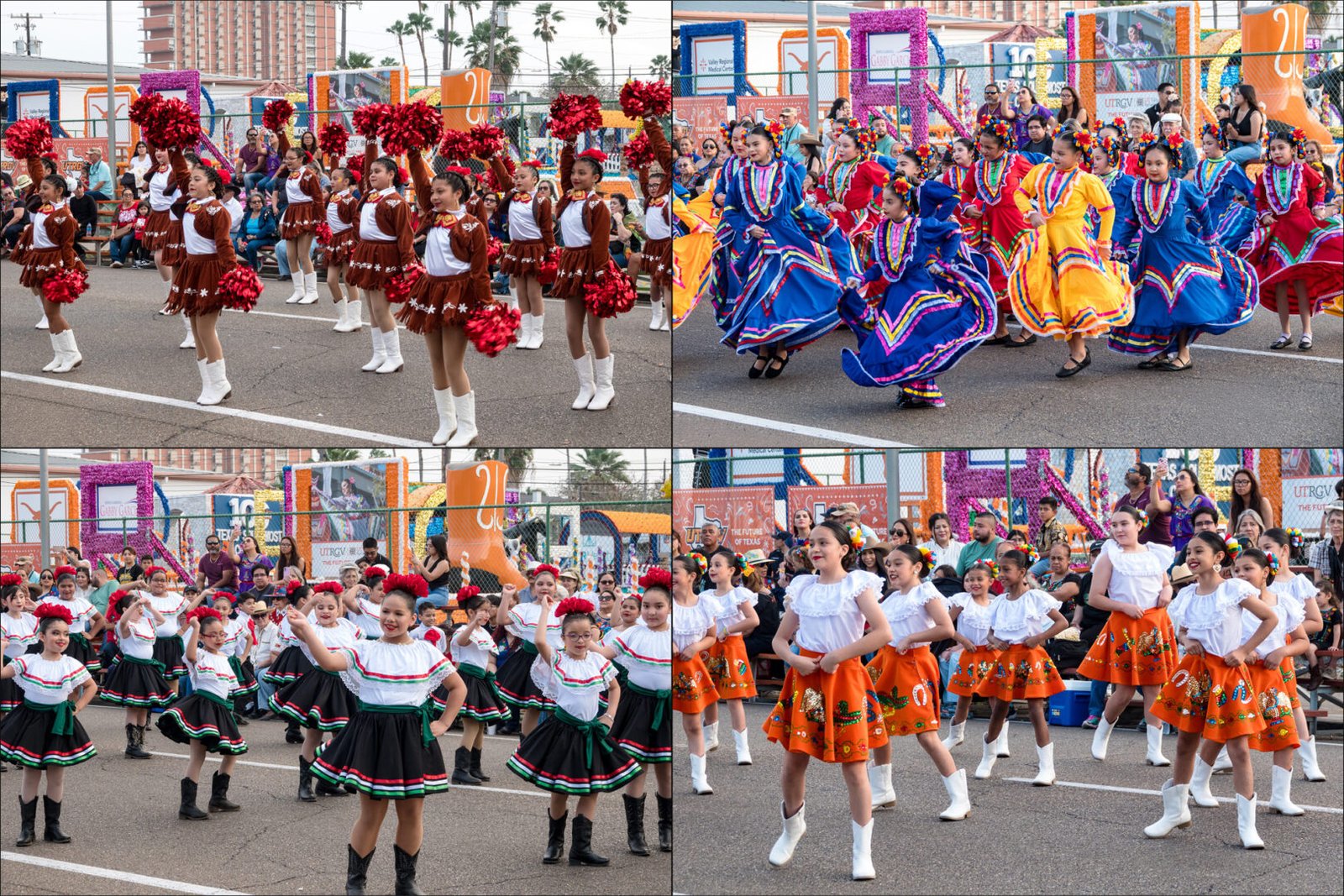
The day was filled with a wide variety of activities. Folklorico dance groups took center stage throughout the afternoon, their colorful costumes flashing in the sunlight as they executed precise footwork and dramatic turns. Local dance teams and cheer squads joined the lineup, adding their youthful energy. A lively bean taco eating contest tested appetites and brought laughter to the crowd. Tejano superstar Albert Zamora took the stage, delivering high-energy performances that had attendees dancing in the streets. A children’s costume contest showcased miniature charros and señoritas in hand-embroidered outfits, while a DJ kept the party going between sets. Sponsored by the University of Texas Rio Grande Valley, Baile del Sol offered something for every generation: food, music, folklorico dances, and the simple pleasure of gathering in the heart of downtown.
Charro Days itself traces its roots to 1937, when Brownsville business leaders, inspired by the need to lift community spirits during the lingering effects of the Great Depression, conceived a pre-Lenten fiesta to honor the shared Mexican heritage of the Rio Grande Valley. The first official celebration was held in February 1938 with parades, dances, boat races, a bullfight, rodeo, and a grand ball. Named for the charro—the dashing Mexican gentleman cowboy known for his elegant horsemanship and traditional attire—the festival quickly became a binational tradition, bringing together Brownsville, Texas, and its sister city, Matamoros, Tamaulipas, just across the river. Over nearly nine decades (with brief pauses during World War II and the COVID-19 pandemic), Charro Days has grown into a week-long extravaganza of parades, music, food, and cultural exchange. It celebrates not only Mexican-American identity but the unbreakable bonds of friendship between the two nations.
At the heart of Baile del Sol—and much of Charro Days—stands Mexican Folklorico, a dynamic art form that brings regional Mexican traditions to life on the stage and street. Folklorico dances have deep roots in Mexico’s diverse geography and history. Indigenous peoples performed ritual dances long before Spanish colonization in the 16th century. Over time, these merged with European waltzes, polkas, and flamenco influences brought by conquistadors, as well as African rhythms introduced through the transatlantic slave trade. The result is a rich mosaic: the lively Jarabe Tapatío from Jalisco, the graceful Zapateado from Veracruz, the intricate footwork of Sonora’s Deer Dance, and the festive Huapango from the Huasteca region. Each dance tells a story—of harvest cycles, courtship, historical events, or daily life—expressed through precise choreography, vibrant costumes, and live music.
During Baile del Sol, multiple local dance groups embodied this lively tradition. Performers in flowing skirts, charro suits, and indigenous-inspired regalia moved in synchronized precision, their steps echoing the rhythms of Jalisco, Veracruz, and beyond. The energy was electric: parents pointed out familiar steps to children, couples joined impromptu dances, and visitors snapped photos and videos to capture the swirl of color and sound. These performances were more than entertainment—they were a living link to the past and a celebration of resilience.
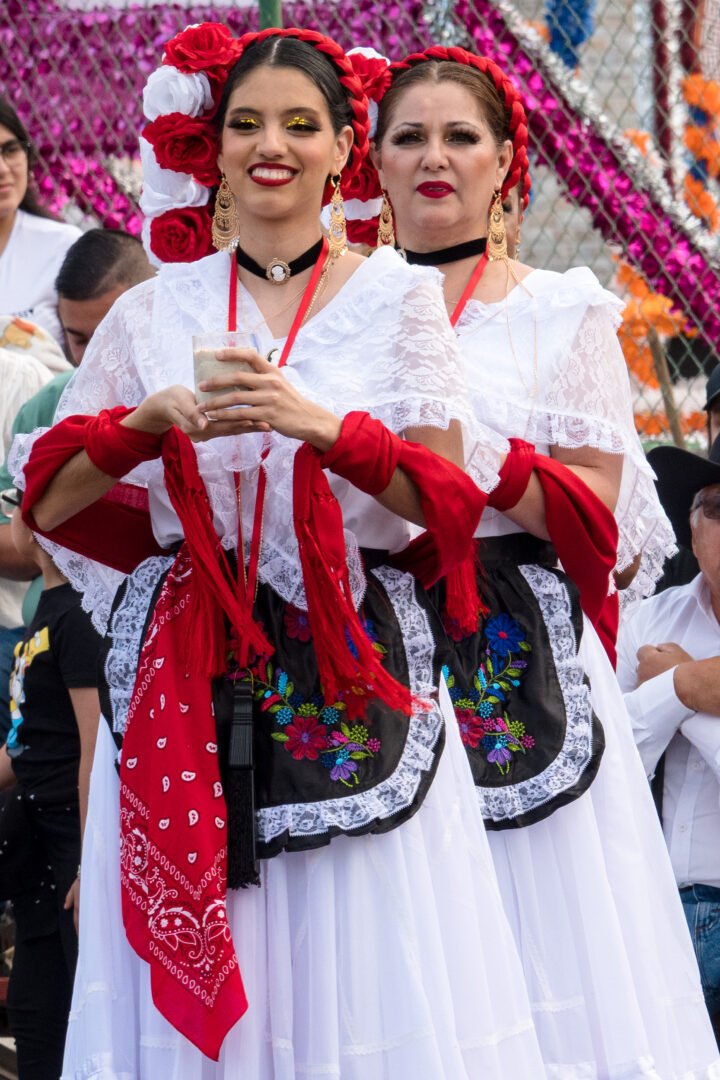
As the sun dipped lower, the Baile del Sol wrapped up, but the spirit of Charro Days carried forward through the week. The event reminded everyone why this fiesta endures: it honors history, fosters unity, and invites everyone—young and old, local and visitor—to dance, eat, and celebrate together. If you weren’t able to make it this year’s Baile del Sol and Charro Days Fiesta, be sure to mark you calendars for next year. The 90th celebration is bound to be one you won’t want to miss.